3 areas of research
Clinical trials on AI for healthcare and disability
Proprietary Core AI models
Robotics R&D

Akin is developing a responsible AI that aims to think and reason like a human, acting with deep emotional intelligence. This matters now more than ever as we enter an era where AI is taking on a larger role in everyday life, and making more decisions on our behalf. Our technology will help people run their homes and move towards their goals.
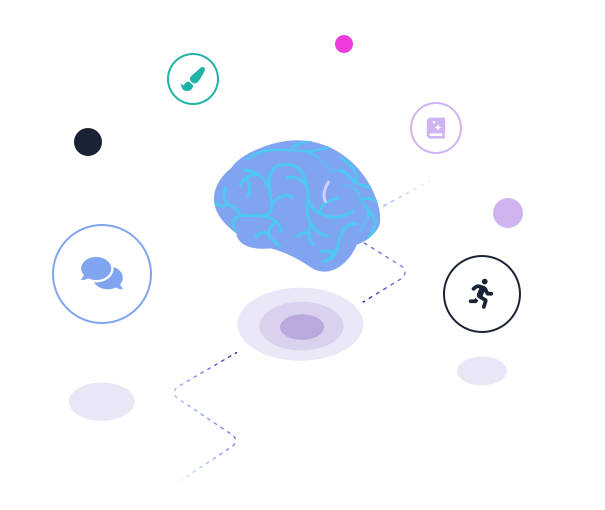
Akin was compared to gold standard instruments like VABS, and has high completion rates, valid data and good correlation to known instruments.
Caregivers had a reduction in negative emotions during the study, and expressed the positive impact of a conversational AI they could share emotions and their therapy journey with, for both the carer and the child.
The research yielded significant troves of contextual data, with potential for the generation of dynamic precision medicine programs, and increased understanding on how to treat various conditions more effectively.



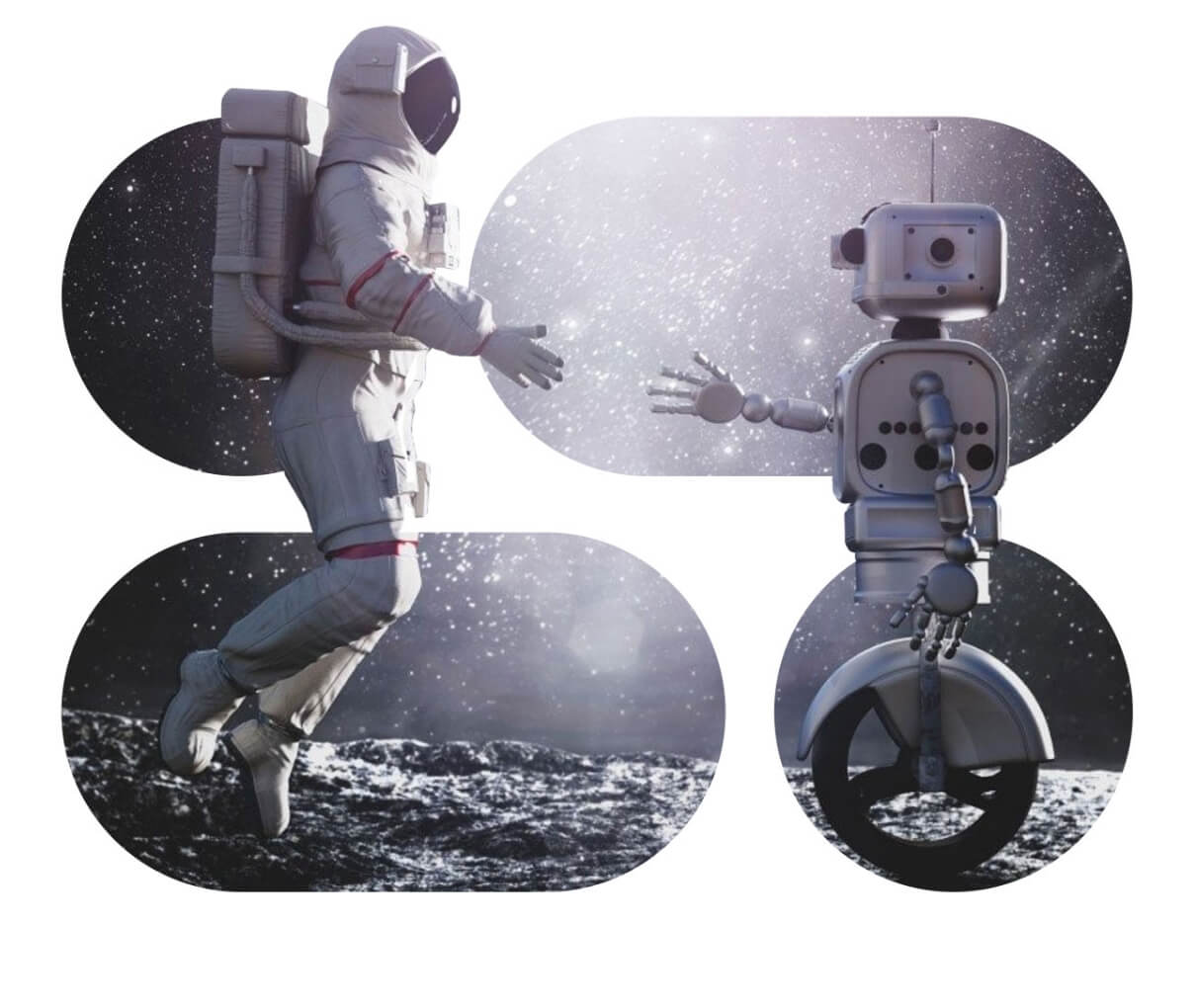
We are working with a synergy of neuroscience, cognitive theories, behavioural science, and multimodal learning to develop AI that understand humans. This spans language, emotion, culture, values, and goal alignment in order to achieve deep and trusted relationships between humans and AI.
Our experimental AI GEAR aims to map resources, events, and relationships that AI can use to optimise state and traverse events more effectively over time. By measuring and optimising according to shared goals, the AI improves its effectiveness and enhances the well-being of humans and manages their environment.

aKin founder and CEO Liesl Yearsley has been named the Australian Financial Review’s AI Trailblazer of the Year 2026 for a lifetime contribution to AI and robotics.

The Australian Space Agency features aKin’s caring AI and robots, designed to support astronauts in space and people living with disability at home.
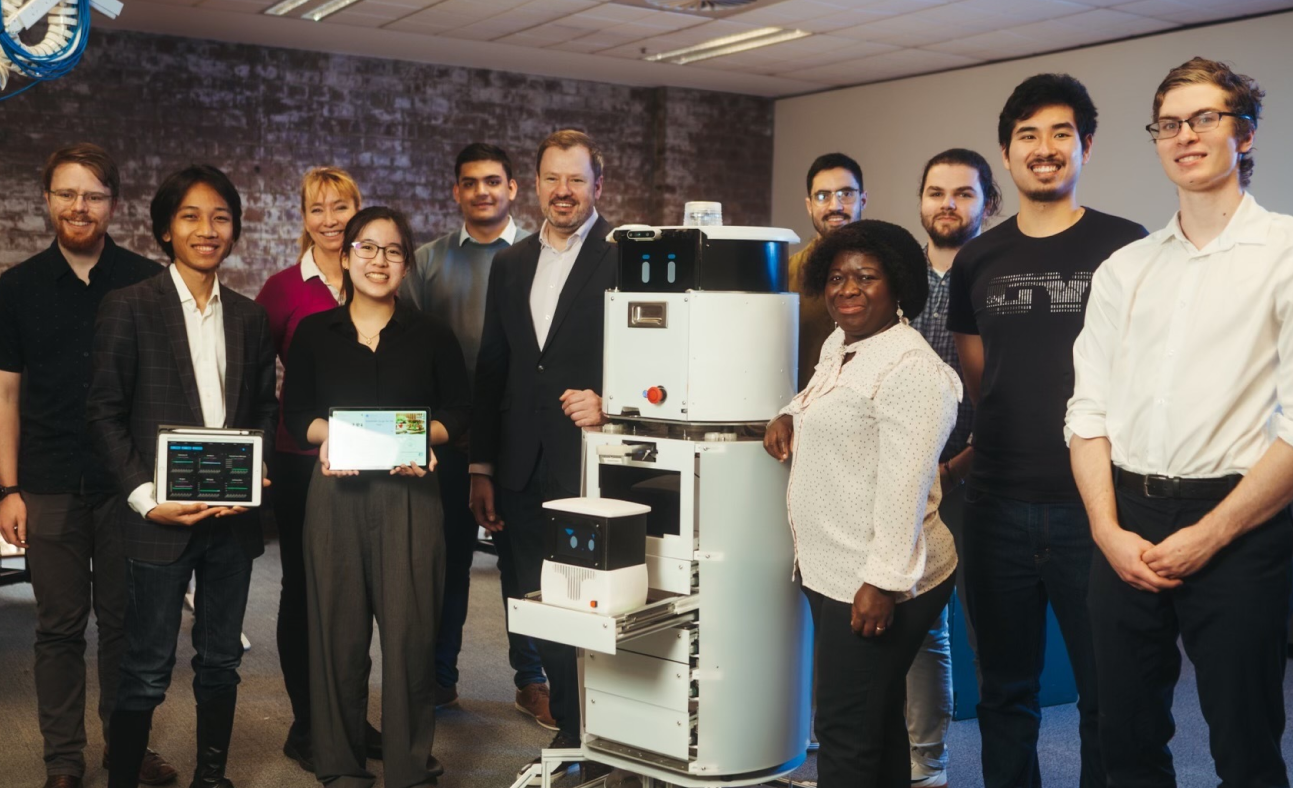
aKin Australia had the honour of Ministry for Industry and Science, Ed Husic, visiting our office to meet with CEO Liesl Yearsley and the aKin Sydney Lab team. The dialogue came amid the Government’s consultation with industry to regulate for safe and responsible artificial intelligence development in Australia.

By talking to people living with spinal cord injuries we've discovered robots can be useful home helpers.

Early signs are : does you child turn to their name? Do they make less eye contact than others? Do they seem to be in their own world? If they are walking, do you have a lot of photos of the back of their head?

What would we gain from a robot that has all the perceptual capabilities and dexterity of a human as well as a mind that can make use of those capabilities? Read more.
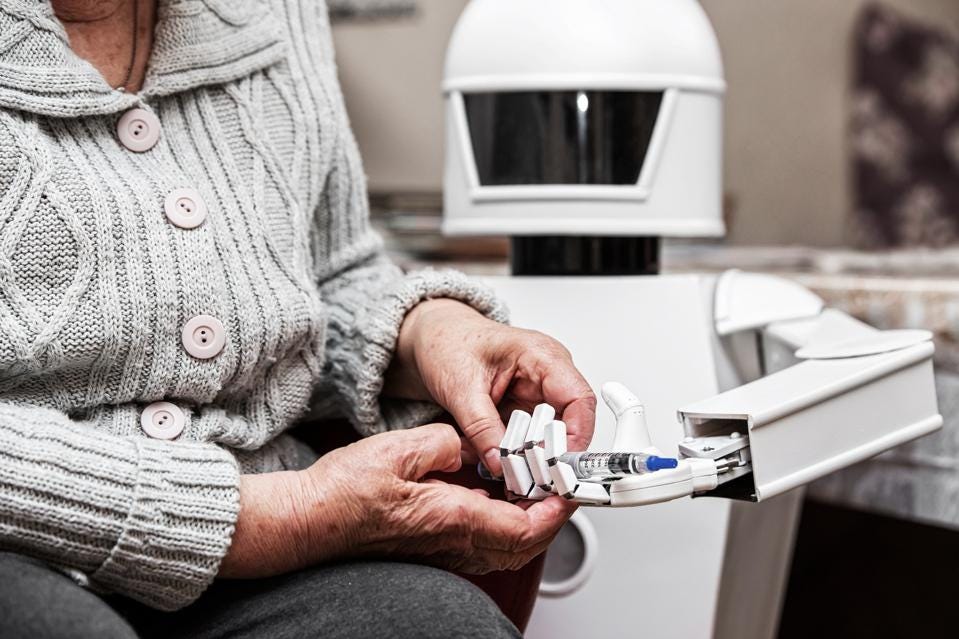
aKin is focusing on taking things one stage further by creating a more empathetic, goal-orientated home AI system that will be initially targeted towards caregivers living with disabled family members.

Moving out of the family home can be a challenging time for a person with a disability and their family members. So how do we navigate this new adventure successfully and make sure that the person you love is safe, healthy and happy..

The Australian Space Agency has awarded aKin a grant to build helper and inspector robots, and an AI habitat manager.
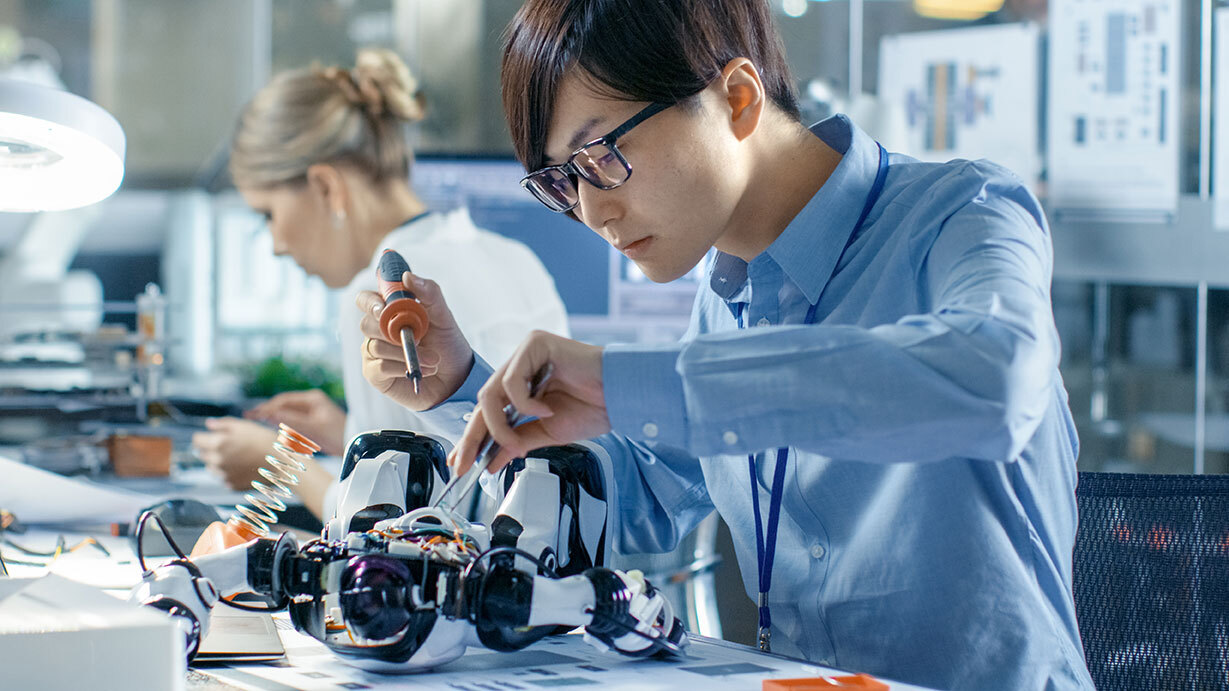
Thanks to the Advanced Manufacturing Growth Centre, aKin will develop a platform to speed up bringing together AI brains and robot bodies.

In the last day of the Robotics adoption matters series, Alexander Hadjiivanov discusses the case for AI in human-robot collaboration.
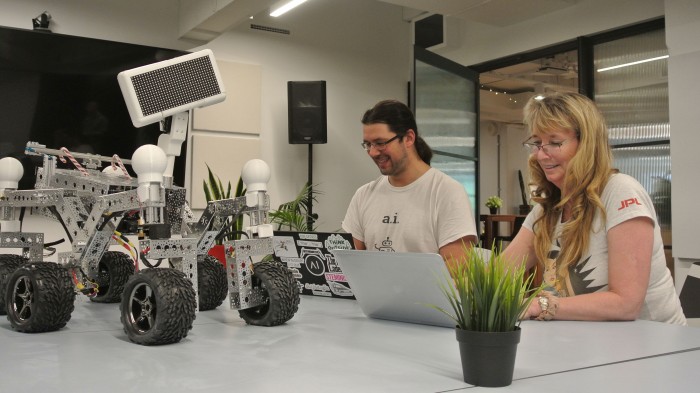
aKin's work with NASA's JPL on emotionally intelligent embodied AI and the future of Akin's AI research has been featured in MIT Technology Review! Read the article here.
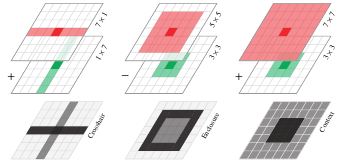
Winner of the Outstanding Student Paper Award at the 2019 IEEE Congress on Evolutionary Computation.

Chief Research Officer, Alexander Hadjiivanov, beat hundreds of students with his paper on evolutionary computation.

An overview of research from Professor Alan Blair, Senior Lecturer at the University of New South Wales
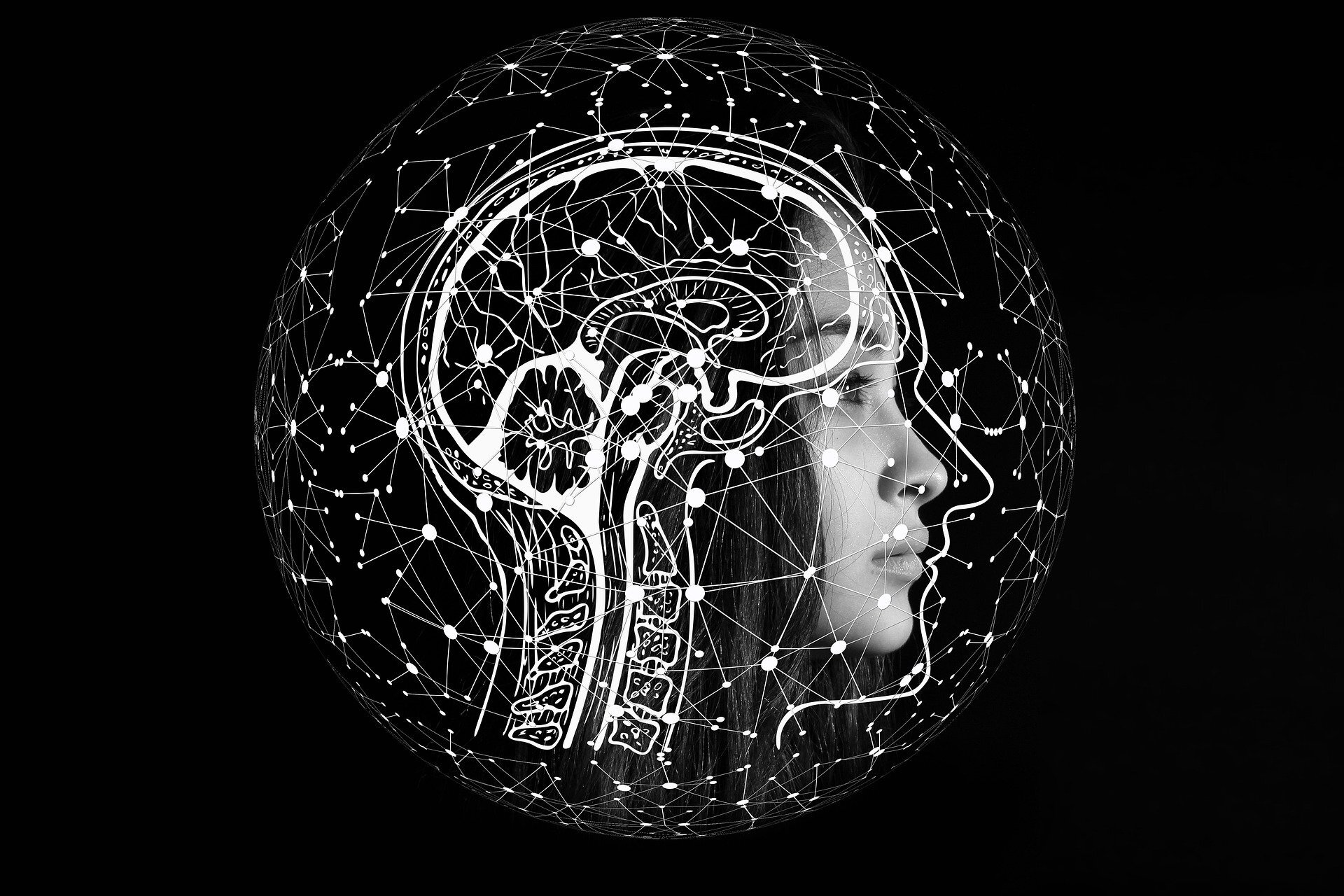
Joint paper by Alexander Hadjiivanov and Alan Blair. Introduction of a speciation principle for neuroevolution where evolving networks are grouped into species based on the number of hidden neurons, which is indicative of the complexity of the search space.

Overview of research by Liesl Yearsley, founder and CEO of aKin and CEO/Founder of three previous successful companies.
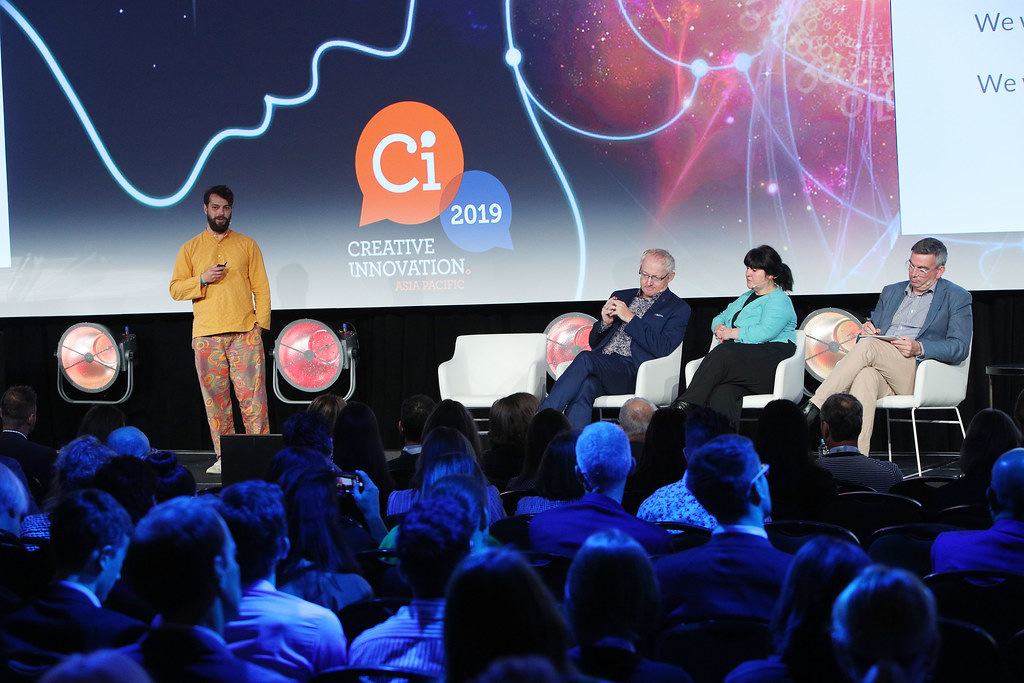
Check out our recent keynote on Personal AI at Creative Innovation in Melbourne.
The benefit of biological inspiration in machine learning and natural language processing.

This study presents a biologically plausible method (based on the operation of the mammalian retina) which can convert raw input continuously into a form that is suitable for both the training and deployment stages of neural networks.
.jpeg)
The Labor party's $3 million pledge for a new artificial intelligence centre of excellence that will aim to make Australia a hub of "ethical" AI development

a·kin CEO, Liesl Yearsley, quoted in Wired

Liesl Yearsley, CEO of aKin, wants to drive the co-evolution of Artificial Intelligence as society’s companion and a tool to enable positive progress for all. Read the full article here.
Video of aKin CEO, Liesl Yearsley, speaking at the SingularityU Australia Summit.
.jpeg)
Our tendency to become emotionally attached to chatbots could be exploited by companies seeking a profit. Liesl Yearsley in Technology review.
.jpeg)
Welcome to our series that showcases some of Australia’s innovators, movers and shakers in and around ICT.
.jpg)
A•kin's chief research officer explores how AI could model the flexibility of the human brain.
A•kin's Head of AI Design tells us about how her thinking changed once she started designing AI for people with disability.

How can we draw inspiration from how children learn to speak to make artificial intelligence and machine learning better?

What does the research say about different diets and autism symptoms?

As a Public Benefit Corporation, we build AI for the good of people and society.